Lewellen Family Law Group
San Francisco Family Law Attorneys
Experienced divorce and family law attorneys and mediators serving the San Francisco Bay Area, Silicon Valley, the East Bay and the North Bay, with the financial command that high asset matters require.
Built for the cases where the most is at stake
Lewellen Family Law Group P.C. is a Northern California family law firm practicing exclusively in family law. Our San Francisco office at 530 Bush Street represents clients across San Francisco, San Mateo, Marin, Alameda, Contra Costa and Santa Clara counties, and in the Napa and Sonoma valleys, in divorce, complex property division, business valuation, child custody, support, domestic violence and mediation.
It matters most in cases involving significant assets, where the outcome is decided by who understands the money. The valuation of a company or professional practice, the characterization of separate versus community property, the treatment of intellectual property, stock options, restricted stock units, founder interests, deferred compensation, and the tax consequences of how assets are divided: these are the details where the real money is won or lost, and where the work demands real financial fluency.
We examine the documents, the numbers and the facts that decide the outcome until we understand your case completely, so that nothing that matters to your result is left to chance.
What we handle from the San Francisco office
- High asset and founder divorce, including public companies, privately held company interests, equity compensation, tech founders, carried and profits interests, deferred compensation and digital assets.
- Divorce and complex property division, from straightforward dissolutions to complex matters requiring the coordination of experts and consultants.
- Child custody and visitation, including contested hearings, move away requests and interstate and international disputes.
- Child support and spousal support, including cases involving variable, capital gains, equity based or self-employed income.
- Domestic violence restraining orders, both pursuing protection and defending against false allegations.
- Prenuptial and postnuptial agreements.
- Alternative dispute resolution with private judges, mediation and virtual mediation.
- Father’s rights.
- LGBTQ+, same-sex couples, and transgender clients.
- Transgender custody issues.
Where your case will be heard
- California requires that one spouse have lived in California for the last six months and in the county of filing for the last three months. In the Bay Area, where a household may live in one county and work in another, that rule decides the venue, the local rules and the assigned bench before anything else is argued.
- San Francisco County hears family law in the Unified Family Court at the Civic Center Courthouse, 400 McAllister Street. The Unified Family Court coordinates the court’s family related case types, and the ACCESS Center on the fifth floor provides self-help services to parties without counsel.
- San Mateo County hears family law at the Hall of Justice and Records, 400 County Center, Redwood City.
- Marin County hears family law at 3501 Civic Center Drive, San Rafael.
- Alameda County requires all family law documents to be filed at the Hayward Hall of Justice, 24405 Amador Street, Hayward. The Rene C. Davidson Courthouse in Oakland accepts filings for domestic violence protective orders.
- Contra Costa County hears family law at the Peter L. Spinetta Family Law Center, 751 Pine Street, Martinez, which houses five of the county’s seven family law courtrooms.
- Santa Clara County hears family law at the Family Justice Center Courthouse, 201 North First Street, San Jose.
- Napa County hears family law at the Historic Courthouse, 825 Brown Street, Napa. Sonoma County hears family law at the Civil and Family Law Courthouse, 3055 Cleveland Avenue, Santa Rosa.
Why Bay Area balance sheets are different
The assets that matter most in a Bay Area dissolution rarely arrive in a form the community property statutes specifically address, but instead require advanced legal and evidentiary analysis, as well as anticipating appeals. An option granted before marriage that vests during it. A company founded before marriage and grew during the marriage. A fund interest whose carry accrues across a decade that straddles the marriage. A token position bought with separate proceeds and traded hundreds of times since. A founder’s fiduciary duties to a company often conflict with the fiduciary duties spouses owe one another under California family law, which requires that the client retain experienced family law counsel to help him or her navigate those difficult situations.
None of these is simply community or simply separate. Each is characterized, and possibly apportioned, and apportionment is a factual exercise decided on law, records, and sophisticated legal presentation by seasoned family law counsel. California courts apportion unvested equity compensation under different methodologies, and the measurement period often turns on whether a grant rewarded past service or compensated future performance. Establishing which applies requires the plan documents, the grant agreements and the employer’s stated rationale.
Before any of that can be answered, the parties need a date of separation. Family Code section 70 defines it as the date of a complete and final break in the marital relationship, established by evidence that one spouse expressed an intent to end the marriage together with conduct consistent with that intent. In a household holding vesting equity, moving that date by a single quarter can shift the community share of a grant meaningfully, and the effect compounds across a grant history.
California also treats spouses as fiduciaries to one another and requires preliminary and final declarations of disclosure, with a continuing duty to update them. On a finding of breach a court may award the other spouse 50 percent of an undisclosed asset, and where the breach meets the oppression, fraud or malice standard of Civil Code section 3294, 100 percent of it.

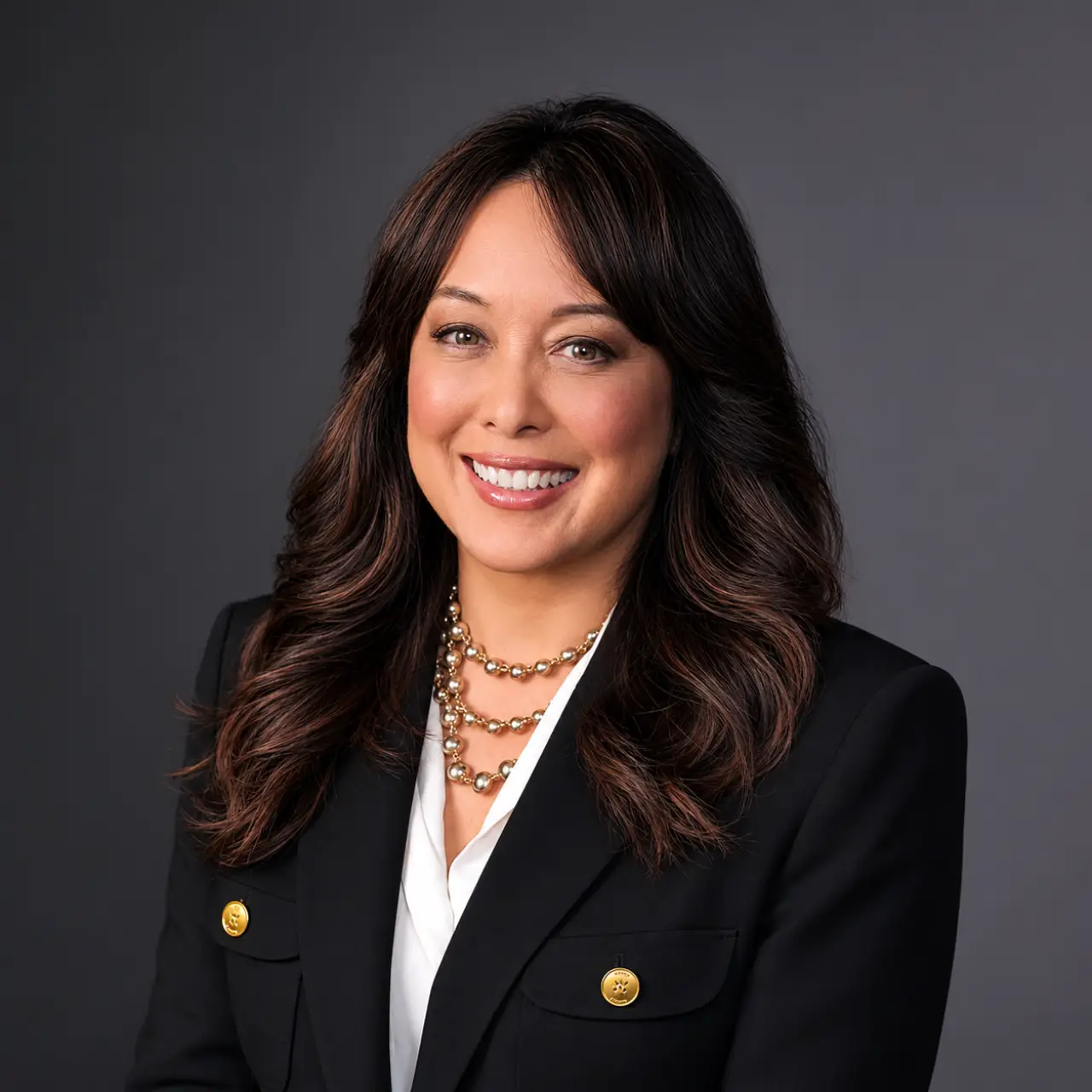
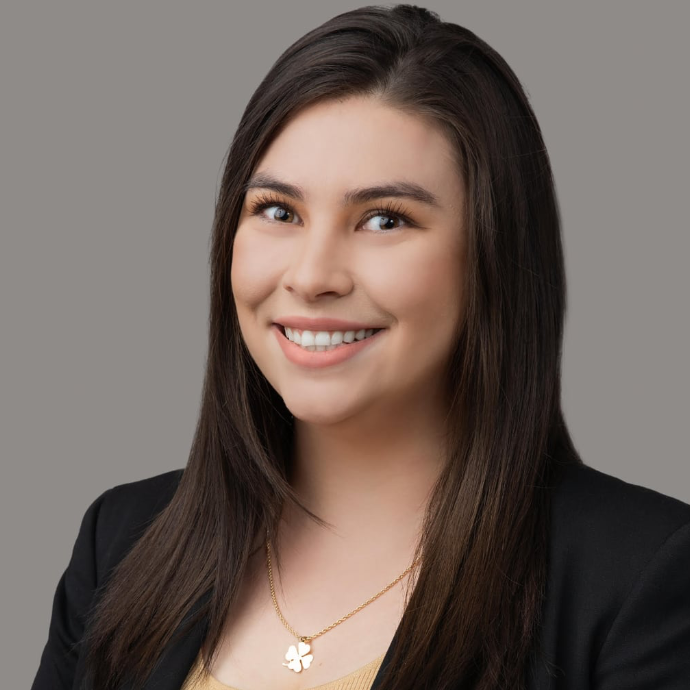
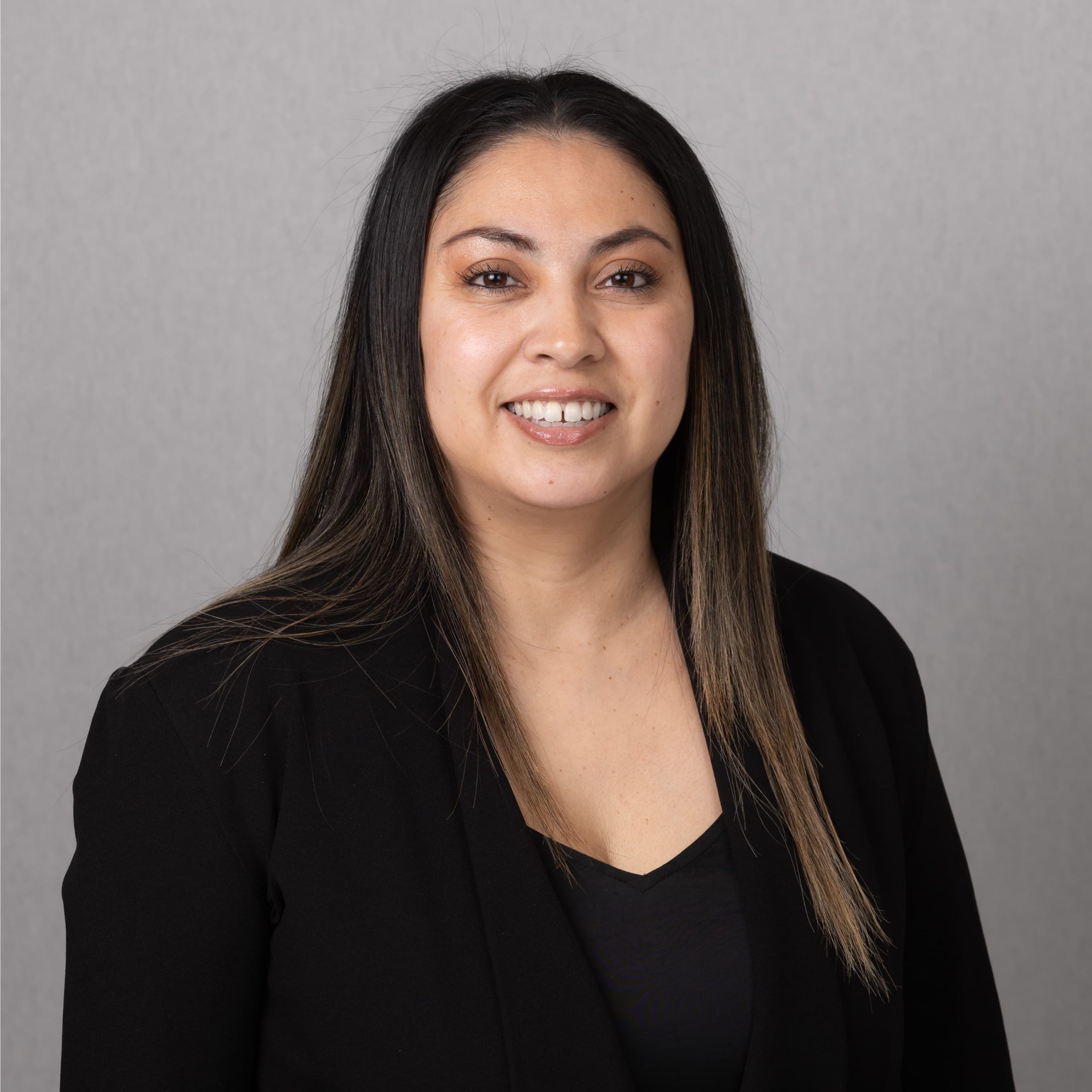
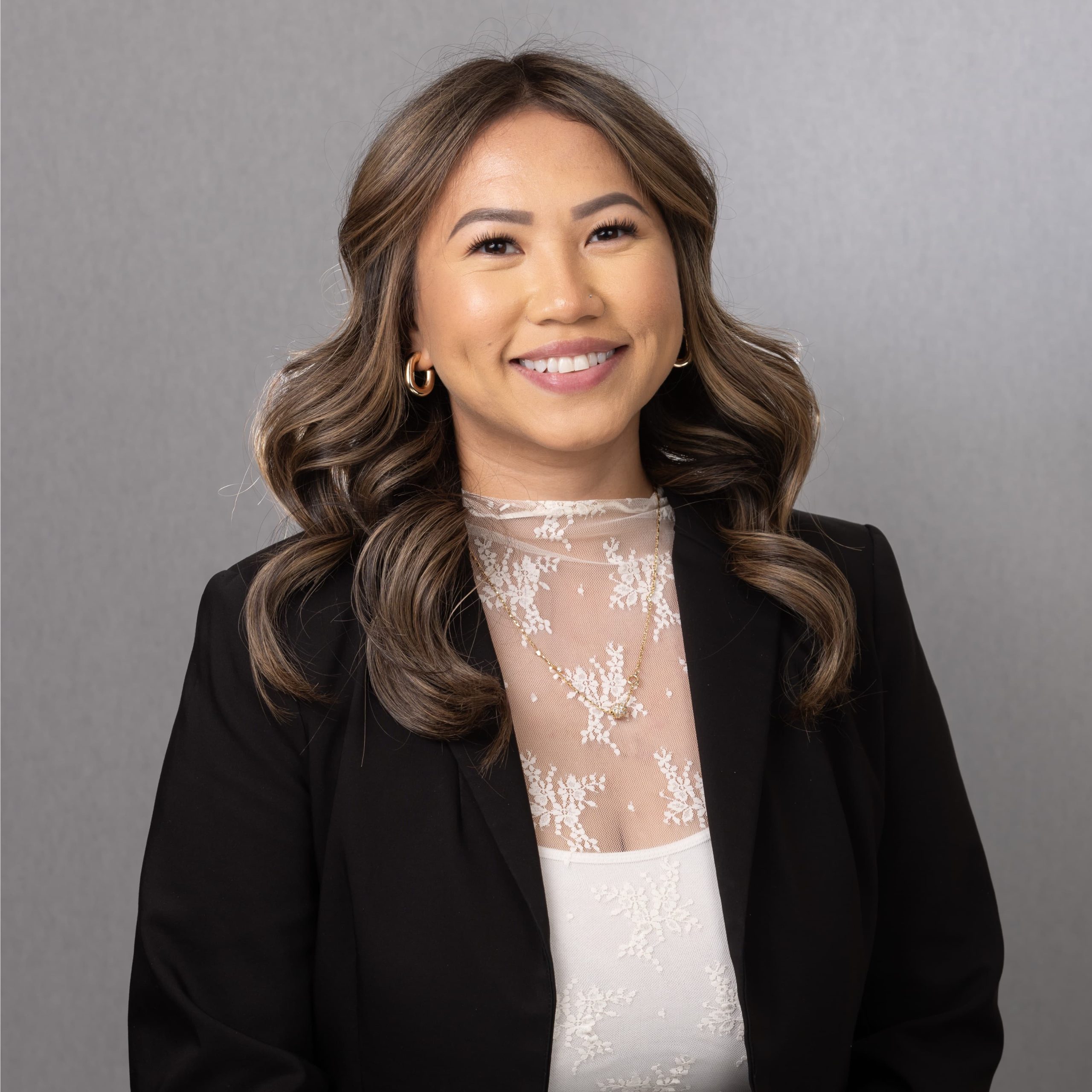
Meet The San Francisco Legal Team
Recognition
- Doyle’s Guide 2025, Leading Family, Matrimonial and Divorce Lawyers, San Francisco: Kimberly Lewellen, Recommended.
- Doyle’s Guide 2025, Family Law Rising Stars, San Francisco: Amrit Kullar.
- Super Lawyers, San Francisco: four attorneys of the firm selected to the Super Lawyers or Rising Stars lists.
- Kimberly Lewellen is listed among the National Women Trial Lawyers Association Top 25.
- Avvo rating 10.0, and Avvo Client’s Choice.
- Martindale-Hubbell peer review rating 5.0 of 5.0.
Frequently Asked Questions
Are stock options and RSUs community property in California?
Awards are apportioned rather than assigned wholesale. California courts apply a time rule fraction measuring the portion of the vesting period that fell within the marriage, with the measurement period depending on whether the grant rewarded past service or future performance. Grant documents and plan terms determine which applies.
What is the date of separation in California and why does it matter?
Family Code section 70 defines it as the date of a complete and final break in the marital relationship, shown by a spouse’s expressed intent to end the marriage together with conduct consistent with that intent. It sets the boundary between community and separate acquisition, so in households holding vesting equity it often determines more value than any other contested fact.
Where are San Francisco divorce cases heard?
In the Unified Family Court at the Civic Center Courthouse, 400 McAllister Street, San Francisco. The Unified Family Court coordinates the court’s family related case types, and the ACCESS Center provides self-help services to parties without counsel.
Can I file for divorce in San Francisco if I live in Marin or San Mateo County?
Generally no. California requires six months of residence in the state and three months in the county where you file, so a Marin resident files in Marin and a San Mateo resident files in San Mateo. The assigned county determines local rules, scheduling and expert practice, which is why venue is settled before strategy.