Lewellen Family Law Group
Sacramento Family Law Attorneys
Trial attorneys and mediators serving Sacramento, Placer, El Dorado and Yolo counties from our office on Fair Oaks Boulevard, with the financial command that complex property and custody matters require.
Built for the cases where the most is at stake
Lewellen Family Law Group P.C. is a Northern California family law firm practicing exclusively in family law. Our Sacramento office at 3626 Fair Oaks Boulevard represents clients throughout Sacramento, Placer, El Dorado and Yolo counties in divorce, complex property division, business and professional practice valuation, child custody, support, domestic violence and mediation.
The firm specializes in matters involving domestic violence, jurisdictional disputes, and custody cases. We also specialize in complex valuation and financial questions: closely held businesses, professional practices, residential and commercial real estate, agriculture, construction, technology companies, equity compensation, cryptocurrency and alleged hidden or understated income. We work alongside forensic accountants, valuation experts and tax professionals so that every asset is found, correctly characterized and properly valued.
When your family, your finances, your business or your children are on the line, the firm you choose shapes everything that follows.
What we handle from the Sacramento office
- Divorce and property division, including businesses, professional practices, investments and intellectual property.
- Child custody and visitation, including contested hearings, move away requests and interstate and international matters.
- Child support and spousal support, including cases where a parent overstates or understates income.
- Domestic violence restraining orders, both pursuing protection and defending against false allegations.
- Alternative dispute resolution with private judges, mediation, and virtual mediation.
- Prenuptial and postnuptial agreements.
- Father’s rights.
- LGBTQ+, same-sex couples, and transgender clients.
- Transgender custody issues.
Where your case will be heard
California requires that one spouse have lived in California for the last six months and in the county of filing for the last three months. In a region where households routinely live in one county, work in a second and own property in a third, that rule decides more than paperwork. It determines the venue, the local rules, the assigned bench, the settlement conference practice and the customary approach to expert appointment.
Sacramento County hears family law at the William R. Ridgeway Family Relations Courthouse, 3341 Power Inn Road, Sacramento. The building houses the Family Law and Probate divisions, along with the Family Law Facilitator and Self-Help Center and the Office of Family Court Services.
Placer County hears family law at the Hon. Howard G. Gibson Courthouse, 10820 Justice Center Drive, Roseville. This is the venue for clients in Roseville, Rocklin, Granite Bay and Lincoln.
El Dorado County hears family law at its Placerville branch, 2850 Fairlane Court, and at South Lake Tahoe, 1354 Johnson Boulevard. Family law matters are heard in Departments 4, 5 and 12. This is the venue for clients in El Dorado Hills and Cameron Park.
Yolo County hears family law at 1000 Main Street, Woodland, serving Davis, West Sacramento and Winters.
Our attorneys appear in all four. Knowing how a given department handles a valuation dispute, and what it expects of the experts, changes the strategy before a single document is exchanged.

Why complex matters in this region turn on the financial work
Sacramento County contains 160,914 business entities, and roughly four in five of them have no employees. They are sole proprietorships, single member limited liability companies, professional practices, consultancies and contractor operations. In a community property state, each one acquired during a marriage is presumptively a marital asset that must be characterized, valued and divided.
Businesses without employees are the most difficult category of marital property to value. An employer business generates the evidence a valuation requires as a byproduct of operating: payroll records, benefit filings, reviewed financial statements. A business without employees generates almost none of it. Revenue may run through a personal account. Compensation and distribution are the same transaction.
The order of operations is fixed, and the first two steps are documentary. First the date of separation, which sets the boundary between community and separate acquisition. Then characterization under Family Code sections 760 and 770. Then tracing and apportionment. Only then valuation. By the time a value is argued, the size of what is being divided has usually been set, and it was set on records that already existed.
That is why the financial analysis belongs inside the room rather than being bought in after positions have hardened.
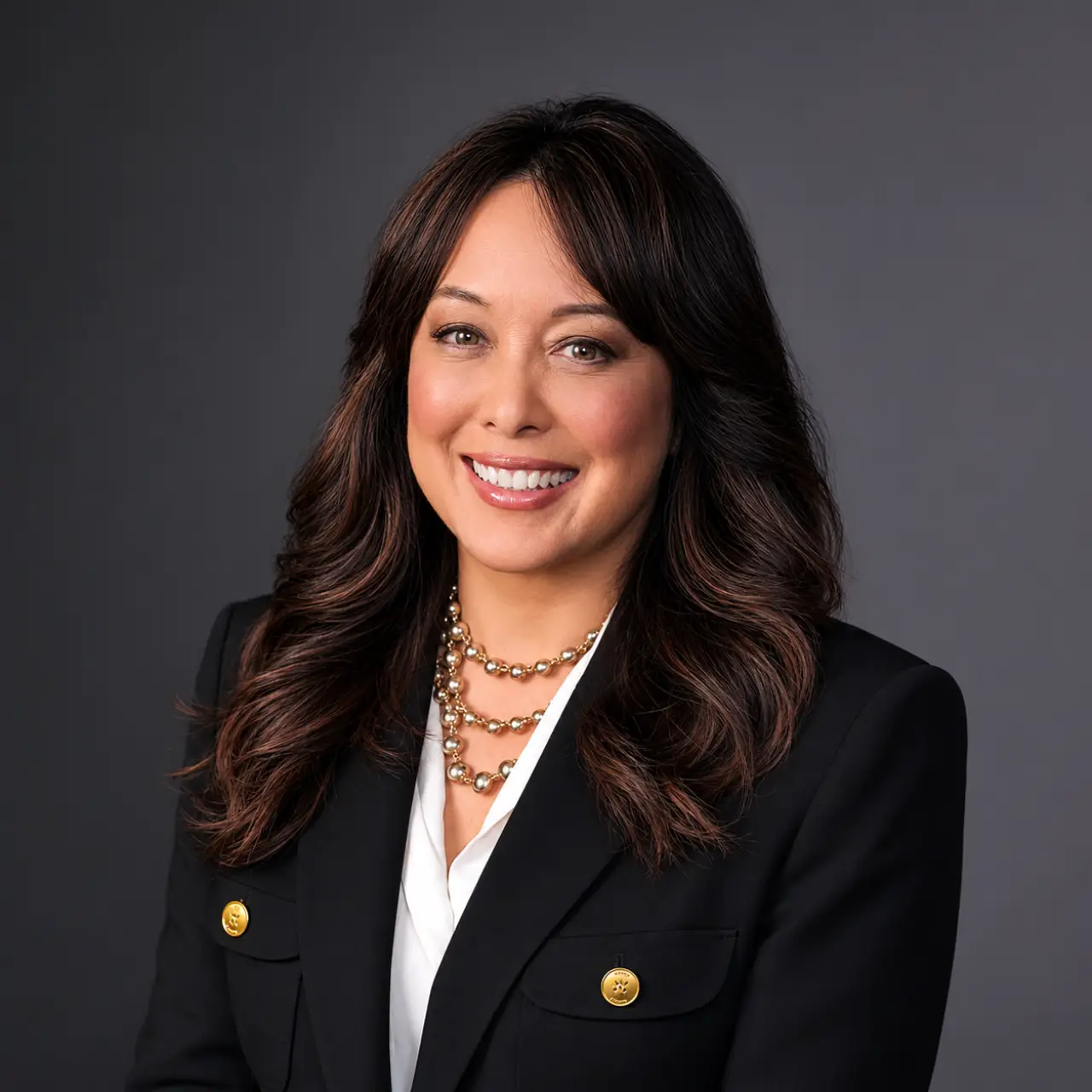
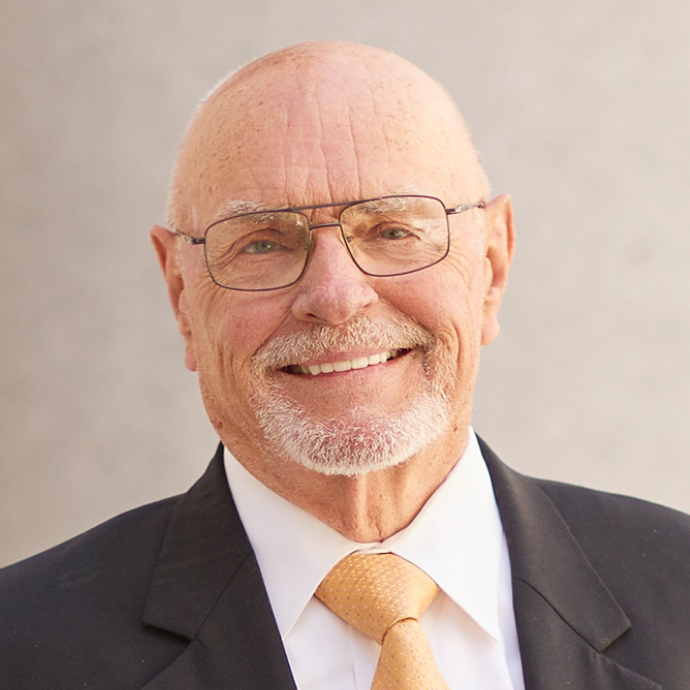
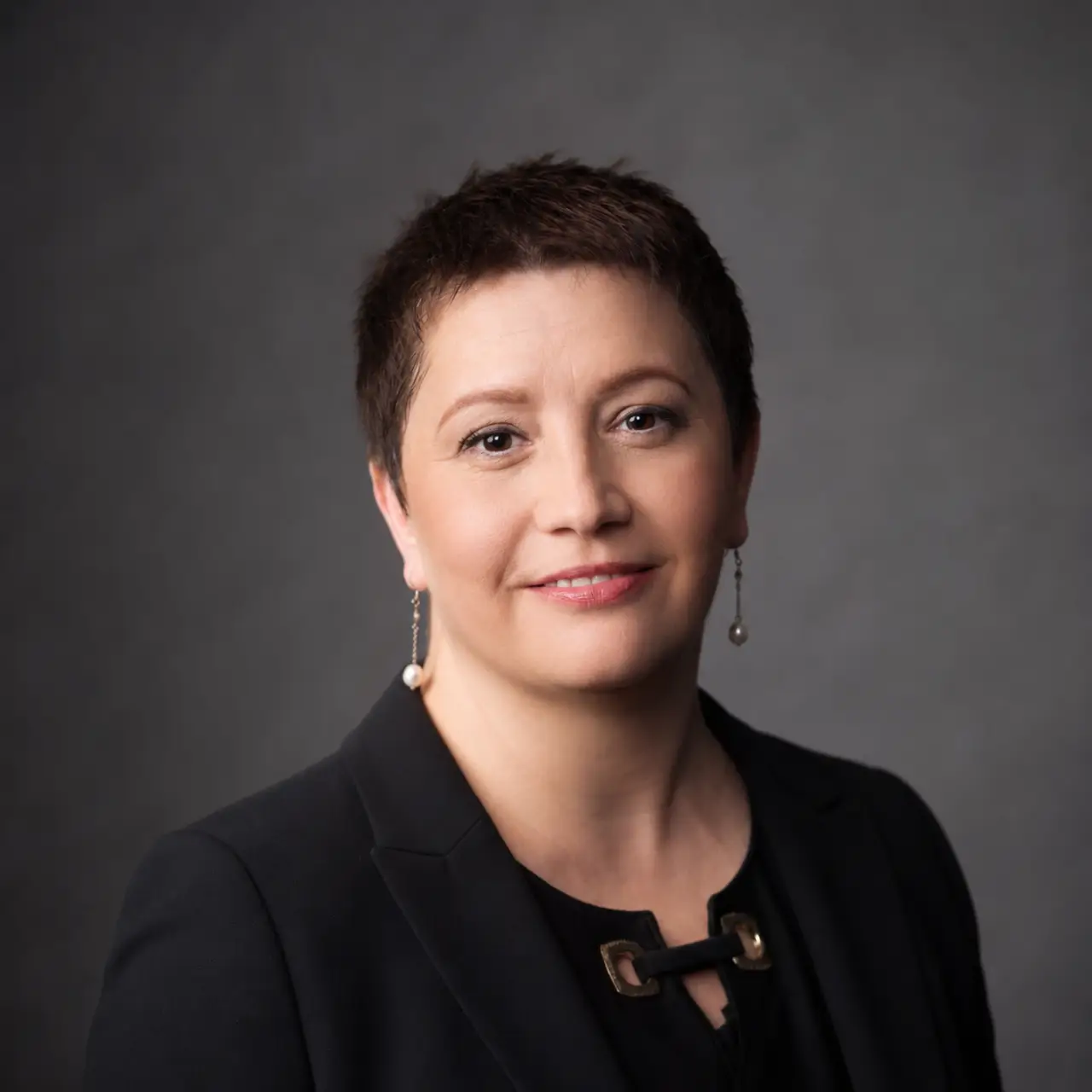
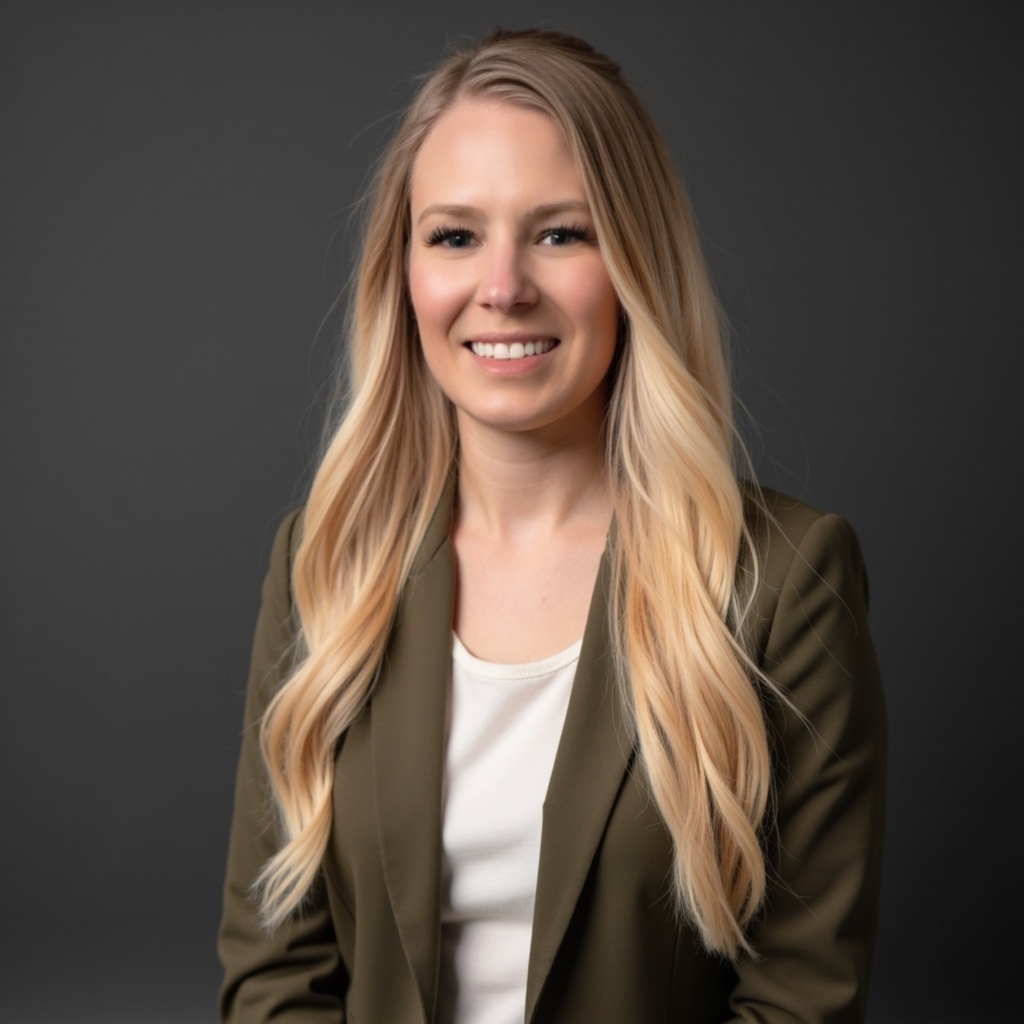
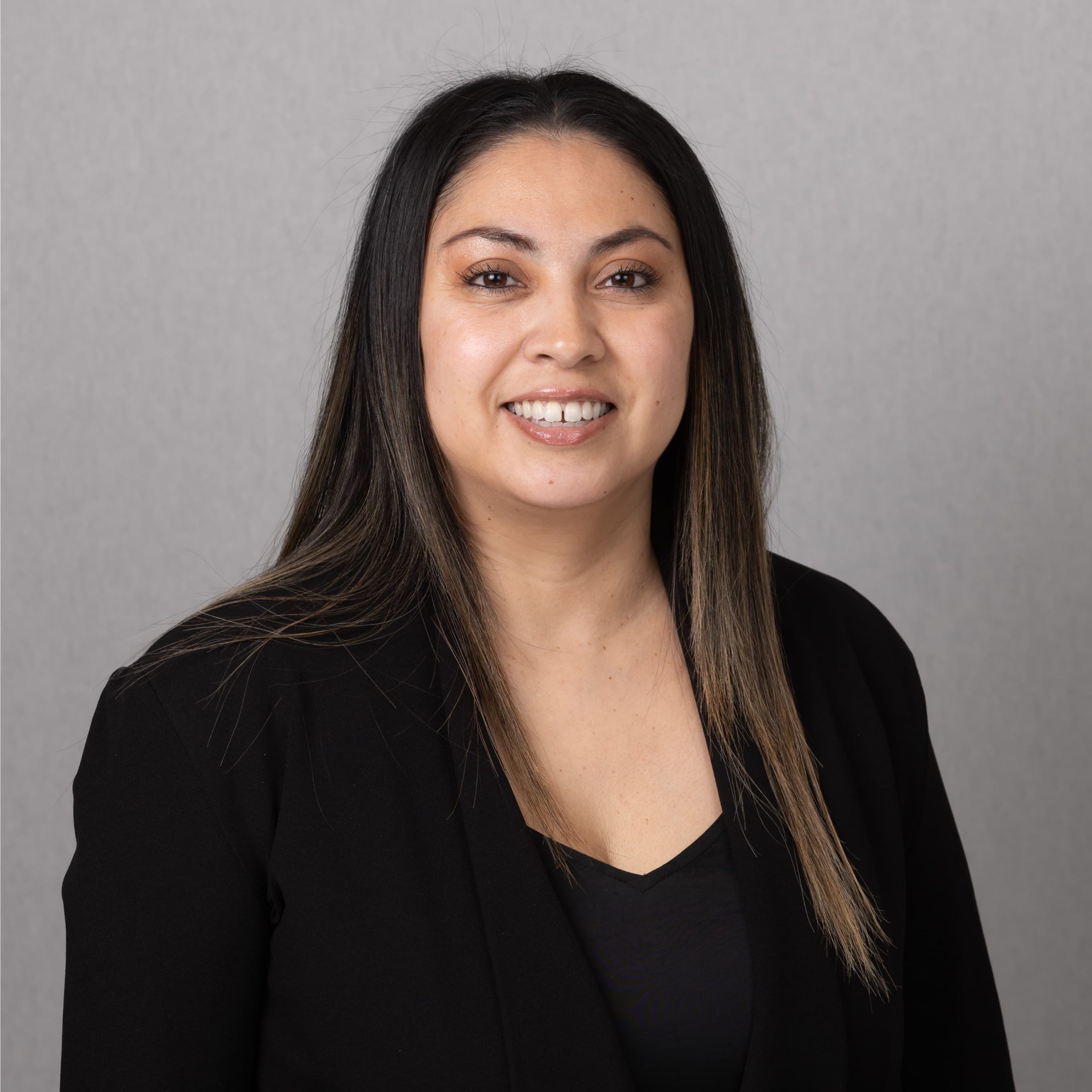
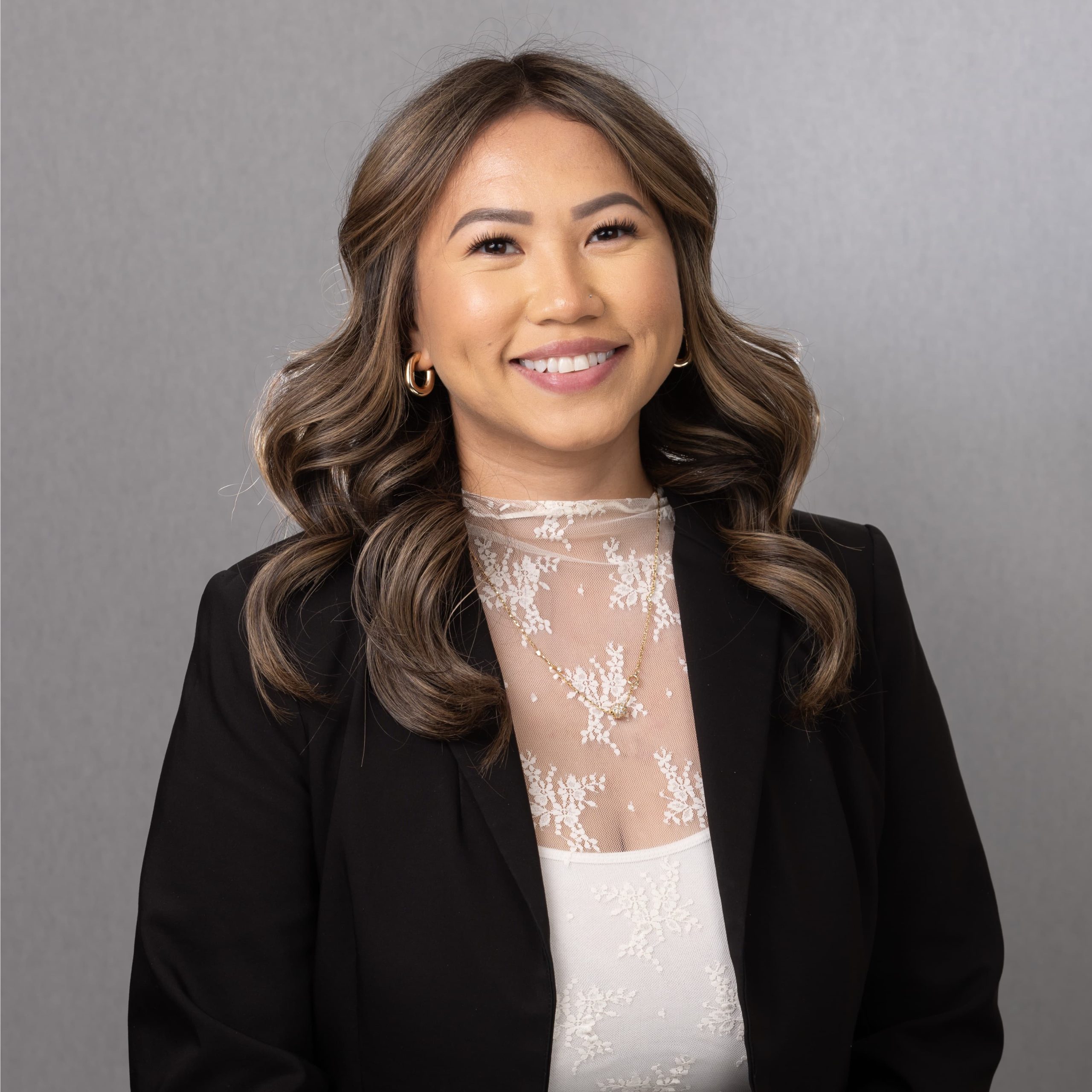
Meet The Sacramento Legal Team
Recognition
- Super Lawyers, Sacramento: four attorneys of the firm selected to the Super Lawyers or Rising Stars lists.
- Doyle’s Guide 2025, Leading Family, Matrimonial and Divorce Lawyers, San Francisco: Kimberly Lewellen, Recommended.
- Kimberly Lewellen is listed among the National Women Trial Lawyers Association Top 25.
- Super Lawyers, 2020 through 2026, and Rising Stars, 2015 and 2017.
- Avvo rating 10.0, and Avvo Client’s Choice.
- Martindale-Hubbell peer review rating 5.0 of 5.0.
Frequently Asked Questions
Is a business started before marriage community property in California?
Not automatically. Under Family Code section 770 property owned before marriage is separate property, but growth during the marriage attributable to community labor is generally apportioned to the community. Most pre marital businesses therefore require tracing and apportionment rather than a single characterization.
How is a small business valued in a California divorce?
A credentialed valuation analyst normalizes owner compensation, assesses earnings capacity and allocates value between the enterprise and the individual operator. For businesses without employees or audited financials, the analysis depends heavily on reconstructed records, which is why document preservation early in a case materially affects the outcome.
Do I file for divorce in Sacramento County if I live in Granite Bay or El Dorado Hills?
No. Granite Bay is in Placer County and El Dorado Hills is in El Dorado County, each with its own superior court, local rules and family law departments. California requires six months of residence in the state and three months in the county of filing, and the assigned court affects scheduling, expert practice and settlement procedure.
How long does a complex divorce take in California?
A judgment cannot terminate the marriage until six months after service of the summons and petition or the respondent’s appearance, whichever occurs first. Beyond that statutory minimum, California sets no disposition time standard for family law, so duration in a complex asset case is governed by discovery, expert work and the court’s calendar.
Informed decisions begin with sound counsel. Tell us what you are facing and we will give you an honest read on your position and your options.
Sacramento
-
3626 Fair Oaks Blvd, Suite 300
Sacramento, CA 95864